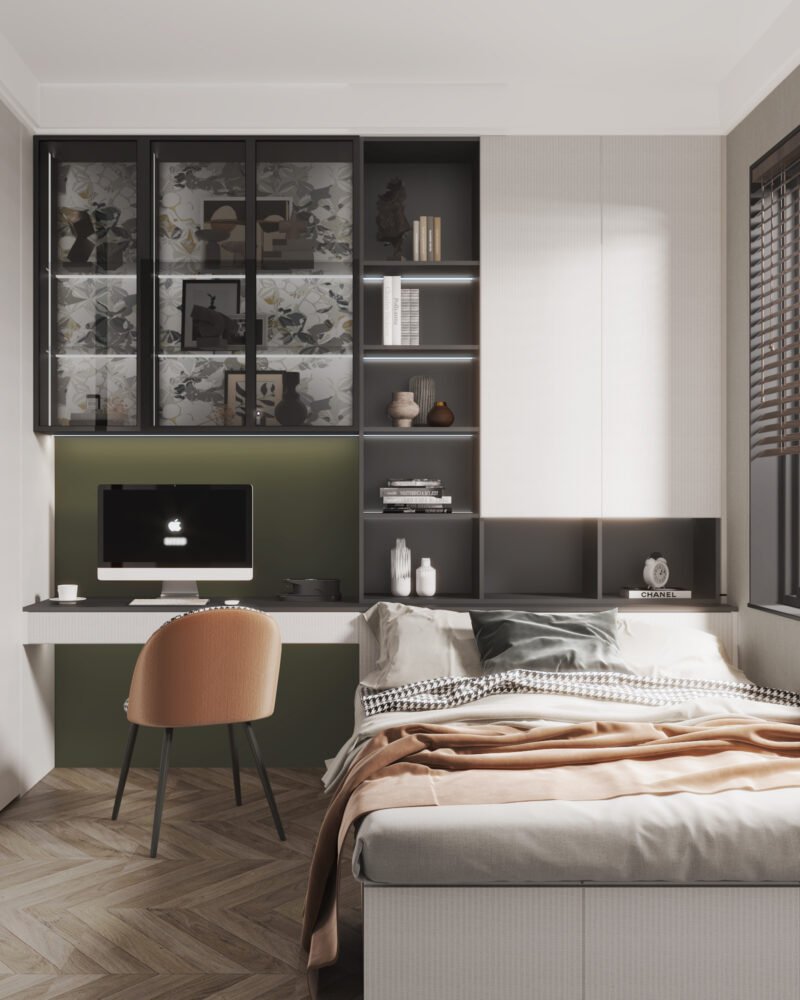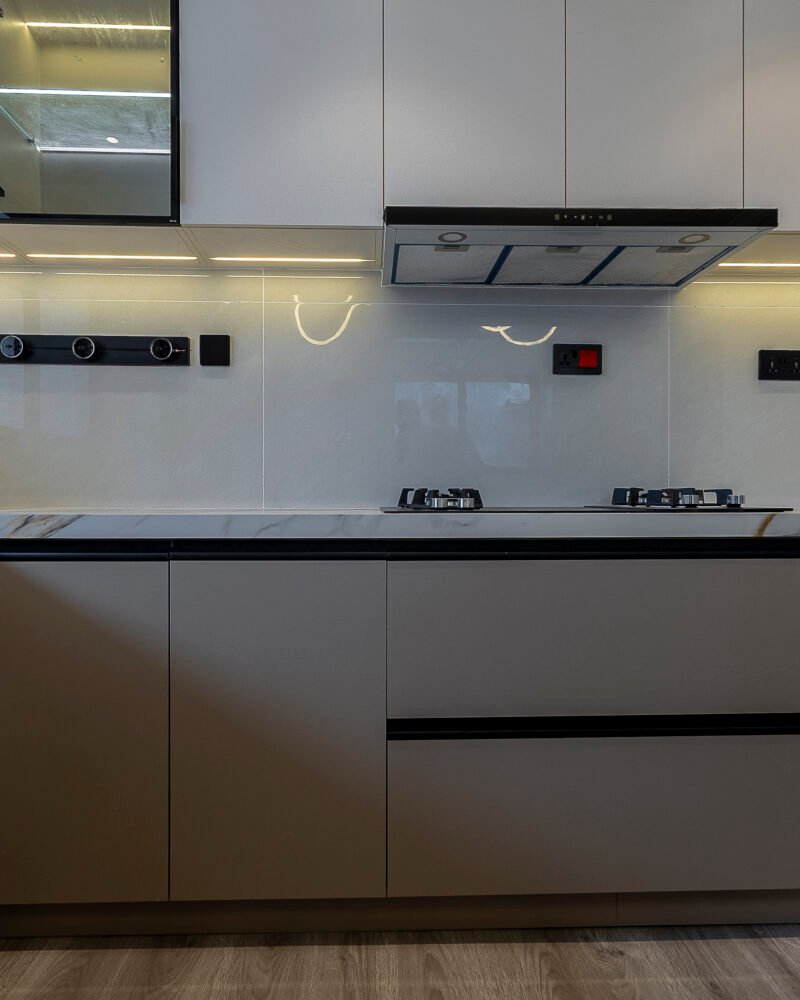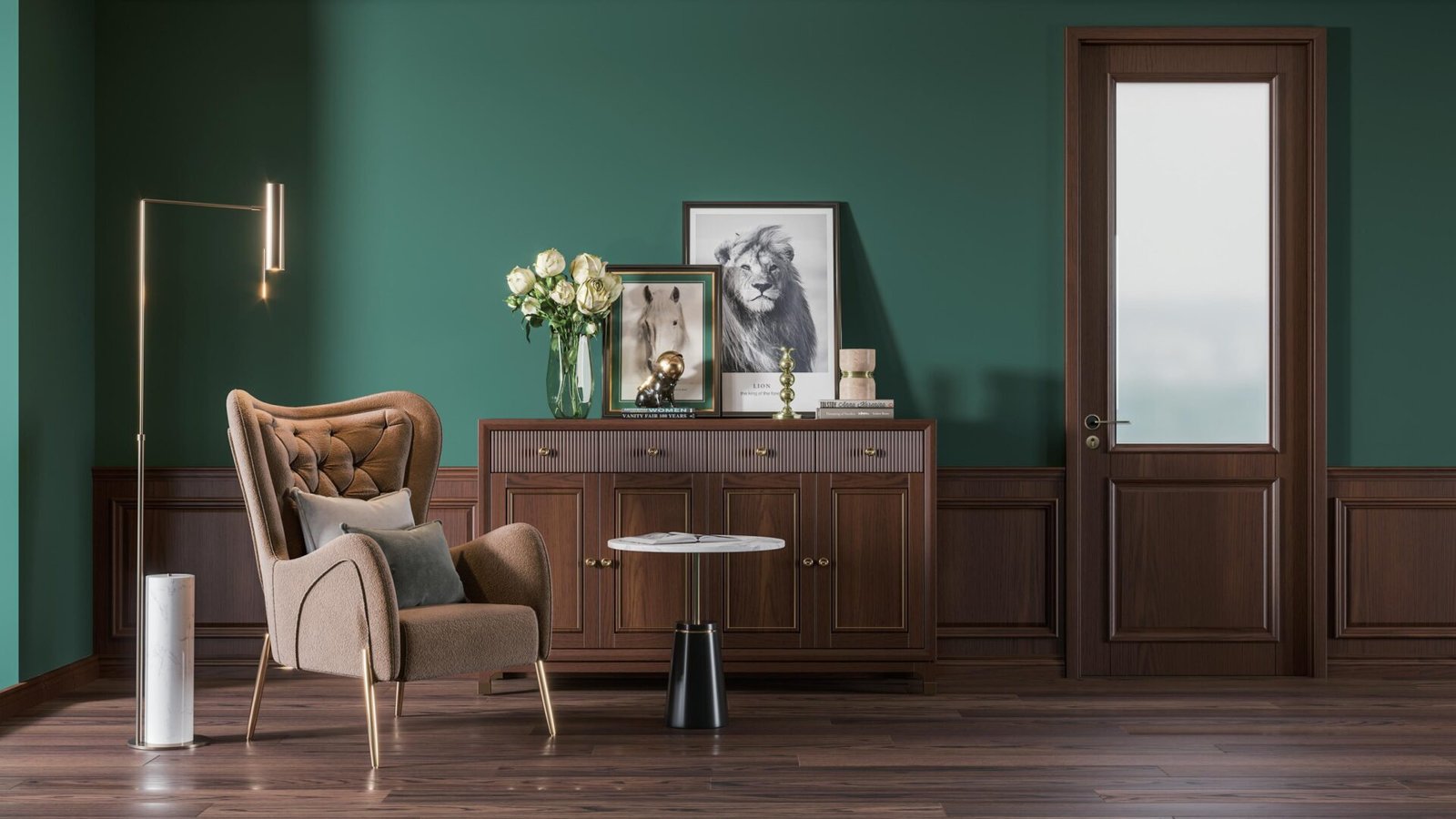
Your grandmother’s Kisii soapstone collection. Your father’s carved wooden stool. These pieces carry history. Here’s how to honour them in a modern interior without creating a museum.
In many Kenyan homes, there’s a piece of furniture or an object that nobody quite knows what to do with. A carved mahogany chair from an uncle’s estate. A collection of Kisii soapstone animals that have sat on the same shelf for thirty years. A Maasai beaded panel that was a wedding gift. These objects carry meaning. They also carry aesthetic weight — and placing them in a modern, minimalist interior without care creates visual friction.
The Afro-Minimalism Approach
The principle is simple: give heritage pieces the space and lighting they deserve, and surround them with restraint. A single carved wooden stool placed on a clean, low console — spotlit from above — becomes sculpture. The same stool crowded among cushions, magazines, and a lamp becomes clutter.
Pairing Old and New
The tension between a handcarved, irregular, organic object and a sleek, factory-precise ZBOM cabinet is exactly what makes the combination beautiful. The old piece provides warmth, narrative, and texture. The modern piece provides clean lines, negative space, and calm. They need each other.
A matte-black Kayjah sideboard with a single large Kisii soapstone bowl centred on its surface. A floor-to-ceiling walnut wardrobe with a vintage Kamba carving mounted on the adjacent wall. A modern open-plan kitchen with a hand-woven Kikuyu basket displayed under glass on the island.
Textiles and Fabrics
African textiles — Maasai shukas, Kanga prints, hand-loomed Kikuyu blankets — work beautifully in modern interiors when used as accents rather than themes. A single Maasai shuka draped over a linen armchair. A Kanga-print cushion on a grey sofa. A framed vintage Kitenge panel on a white wall.
The rule: one cultural textile per room, surrounded by neutral modernism. Multiple competing patterns create confusion rather than character.
The Narrative Layer
Every heritage piece in your home has a story. The best interiors acknowledge this — sometimes literally. A small brass plaque by a carved stool: “From the workshop of Mzee Kariuki, Nyeri, 1974.” A framed photograph above a beaded panel showing it being made. These narrative touches transform objects from decoration into documentary.
Modern African Soul isn’t about choosing between contemporary and traditional. It’s about creating a conversation between them — where both speak, and neither shouts.