It’s on every Nairobi designer’s Instagram. It’s on every Pinterest board. The floating TV unit with a slatted wall backdrop has become the defining look of 2026. Here’s how to do it well — and how to make it yours.
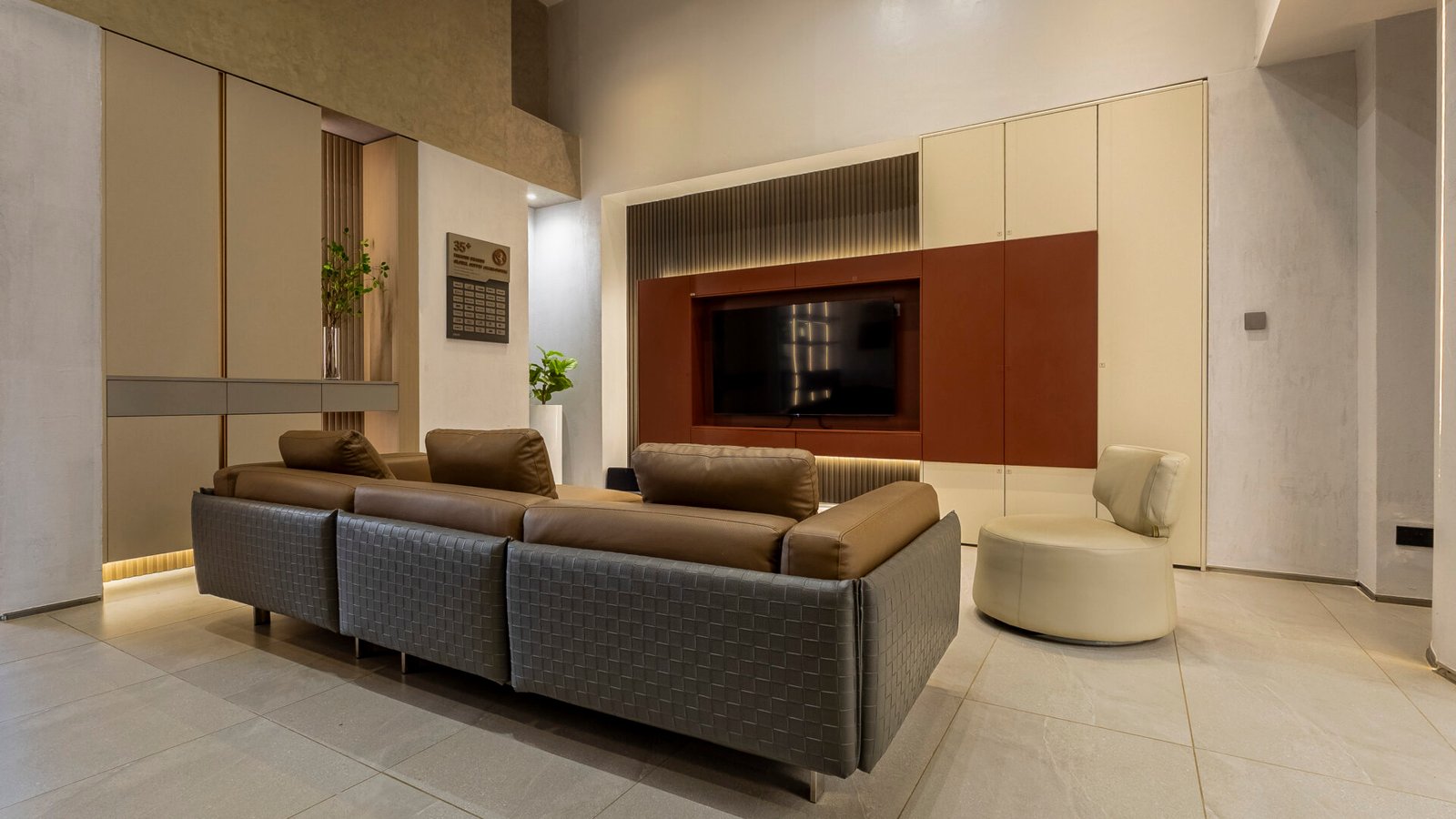
Scroll through any Nairobi interior design account and you’ll see it within five posts: a wall-mounted TV floating above a slim, handleless console, framed by vertical timber or fluted panels that hide every cable. It’s clean. It’s modern. And if done poorly, it’s generic.
Here’s how to execute it properly — and how to inject enough personality that it feels like your living room, not a showroom.
The Floating TV Unit
A floating unit is wall-mounted, with no legs touching the floor. This creates a visual lightness that makes the room feel larger and makes cleaning effortless. The unit itself should be slim — 30–35cm deep maximum — with enough internal space for a set-top box, router, sound bar, and media player.
Cable management is everything. The back panel should have pre-cut channels that route cables from the TV down through the unit and out to a concealed power point. If cables are visible, the entire effect collapses.
The Slatted Wall Panel
Vertical slats — sometimes called fluted panels or reeded walls — create depth, texture, and a sense of height. They can be timber (oak, walnut, ash), MDF with a timber veneer, or PVC-wrapped profiles for wet areas.
The key design decisions: slat width (narrower feels more refined, wider feels bolder), spacing (tighter spacing creates a more uniform texture, wider spacing creates shadow play), and finish (natural timber with a matte sealant for warmth, dark-stained for drama, painted white for Scandinavian lightness).
At Kayjah, we fabricate custom slatted panels in our workshop. Each panel is built to the exact wall dimensions, pre-finished, and installed as a single unit — no visible joins, no misaligned slats.
Making It Yours
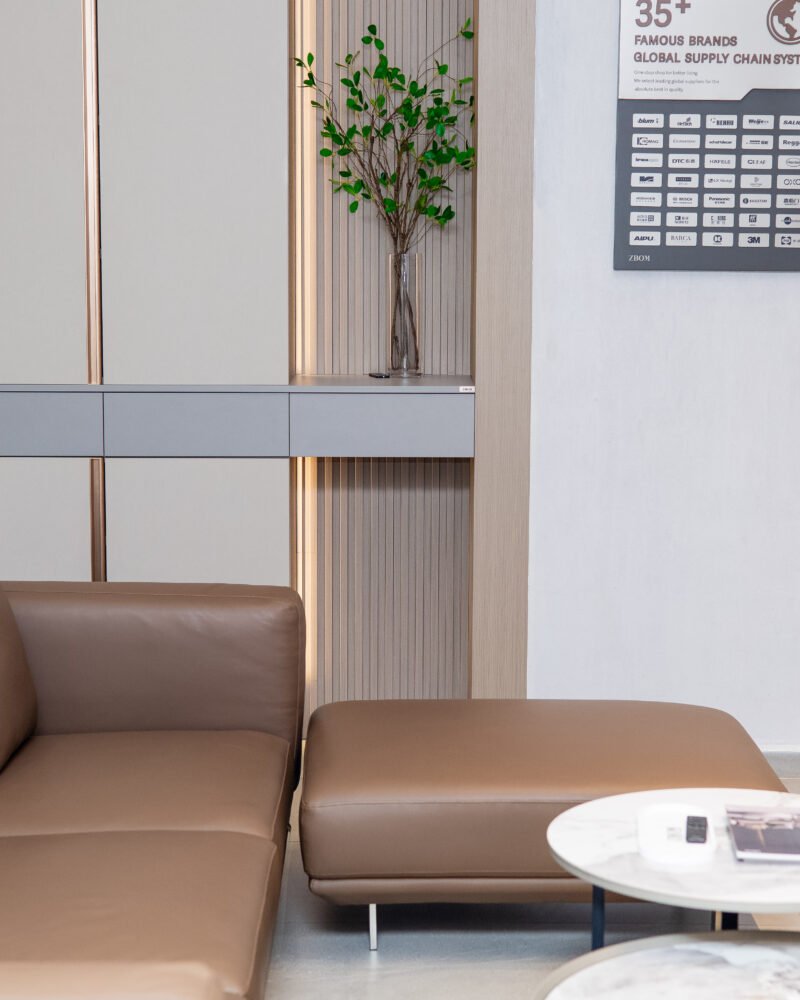
The risk of following a trend is homogeneity. To personalise: vary the slat material (mix timber with painted MDF), add integrated LED backlighting behind the panel for ambient glow, extend the panel asymmetrically rather than centering it, or incorporate open shelving sections within the slat wall for books, plants, or art objects.
A floating shelf at eye level, offset from the TV, with a single sculptural object and a small plant, breaks the symmetry and adds life.
The Technical Requirements
Floating units need proper wall mounting. Nairobi’s newer apartments typically have concrete or block walls that accept heavy-duty anchors. Older buildings with plaster-over-timber framing need additional reinforcement. Always confirm your wall type before specifying a floating unit — a 25kg console plus a 15kg TV needs serious support.
The slatted panel should be mounted on a concealed subframe with a 10–15mm gap behind it. This gap allows cables to run behind the panel and provides an air cavity that improves the panel’s acoustic performance.