The furniture in your home might be making you sick. Cheap boards off-gas formaldehyde — a known carcinogen — for years after installation. Here’s what E1-grade means and why it matters for your family.
When you buy a new wardrobe, kitchen, or bed frame made from engineered board, you’re not just buying wood. You’re buying the adhesive that holds the wood fibres together. And in most budget furniture sold in Kenya, that adhesive contains formaldehyde.
What Is Formaldehyde and Why Should You Care?
Formaldehyde is a chemical compound used in the resins that bind particle board and MDF. It’s effective and cheap, which is why it’s used so widely. It’s also classified as a Group 1 carcinogen by the World Health Organisation. It off-gases — releases into the air — from furniture surfaces for years after manufacture. Symptoms of low-level exposure include eye irritation, headaches, and respiratory issues. Children and people with asthma are particularly vulnerable.
The E1 Standard
E1 is a European emission standard that limits formaldehyde emissions to 0.1 parts per million (ppm) or less. For context, unrated boards commonly found in Kenyan markets can emit levels several times higher.
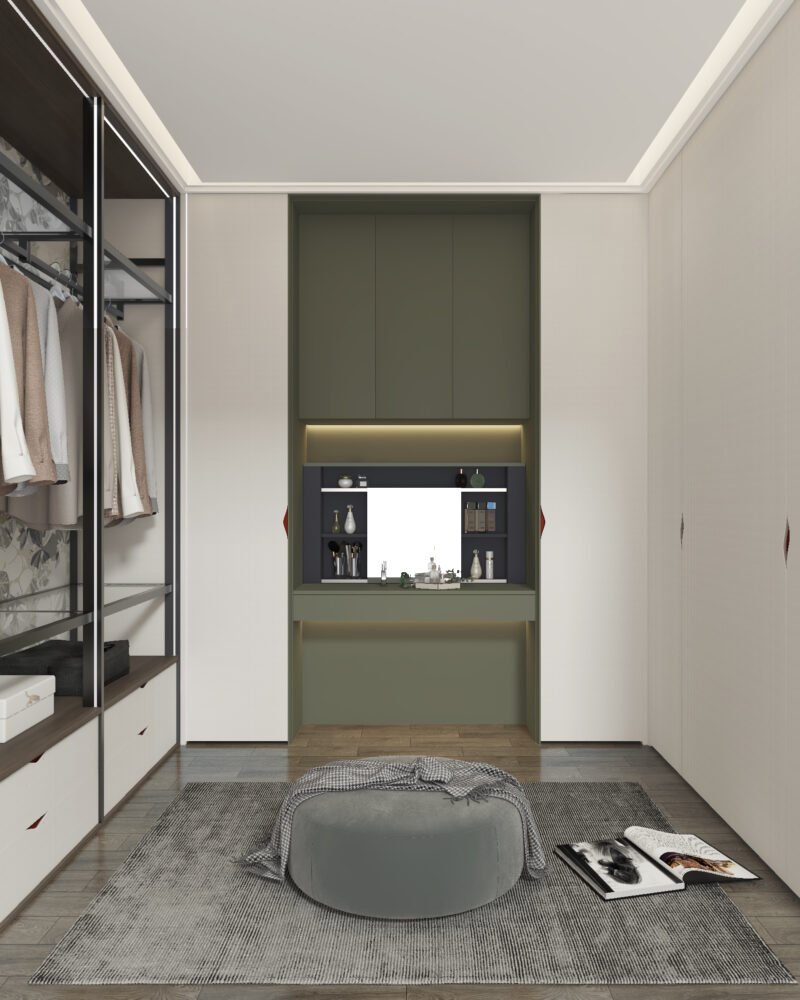
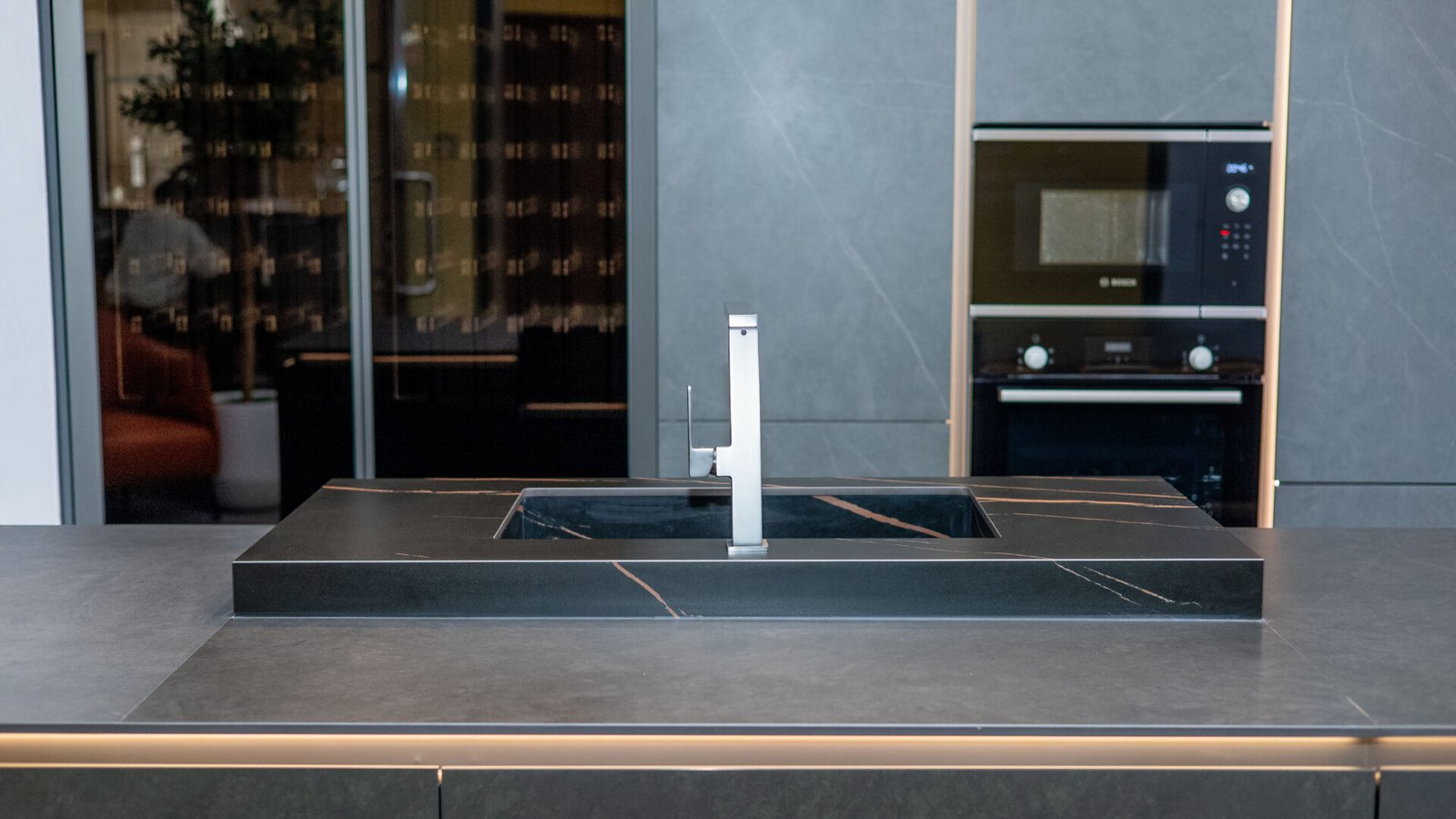
ZBOM uses E1-grade (and in some product lines, the even stricter E0-grade) boards across its entire range. This isn’t a premium upgrade — it’s the baseline. Every kitchen cabinet, wardrobe panel, and shelf in a Kayjah installation meets this standard.
How to Tell What You’re Getting
Ask your furniture supplier or contractor two questions: What is the emission rating of the board you’re using? Can you provide the manufacturer’s certification?
If they can’t answer, assume the worst. Unrated boards are cheaper for a reason, and that reason is your family’s indoor air quality.
Beyond Boards: The Whole System
Low-emission boards are the foundation, but true eco-luxury extends to finishes (water-based lacquers rather than solvent-based), adhesives (PVA-based edge banding glue rather than formaldehyde-resin), and even packaging (recyclable rather than polystyrene). ZBOM’s production process addresses each of these points.
The Kenyan Context
Kenya doesn’t currently enforce strict indoor emission standards for furniture. That will likely change — it’s changing everywhere globally. But you don’t need a regulation to protect your family. You need information, and then you need to act on it.
Choosing E1-grade materials isn’t a luxury decision. It’s a health decision dressed in beautiful cabinetry.