One kitchen for cooking. One kitchen for living. The dual-kitchen concept is one of East Africa’s smartest architectural traditions — and it’s getting a luxury upgrade.
In many Kenyan homes — particularly larger residences in Karen, Runda, and Muthaiga — there have always been two kitchens. The “main” kitchen where the heavy cooking happens: deep frying, chapati rolling, githeri simmering for hours. And the “front” kitchen where lighter prep, serving, and socialising occur.
In 2026, this concept is being formalised, refined, and elevated into something architects call the Show Kitchen / Dirty Kitchen combo.
The Show Kitchen
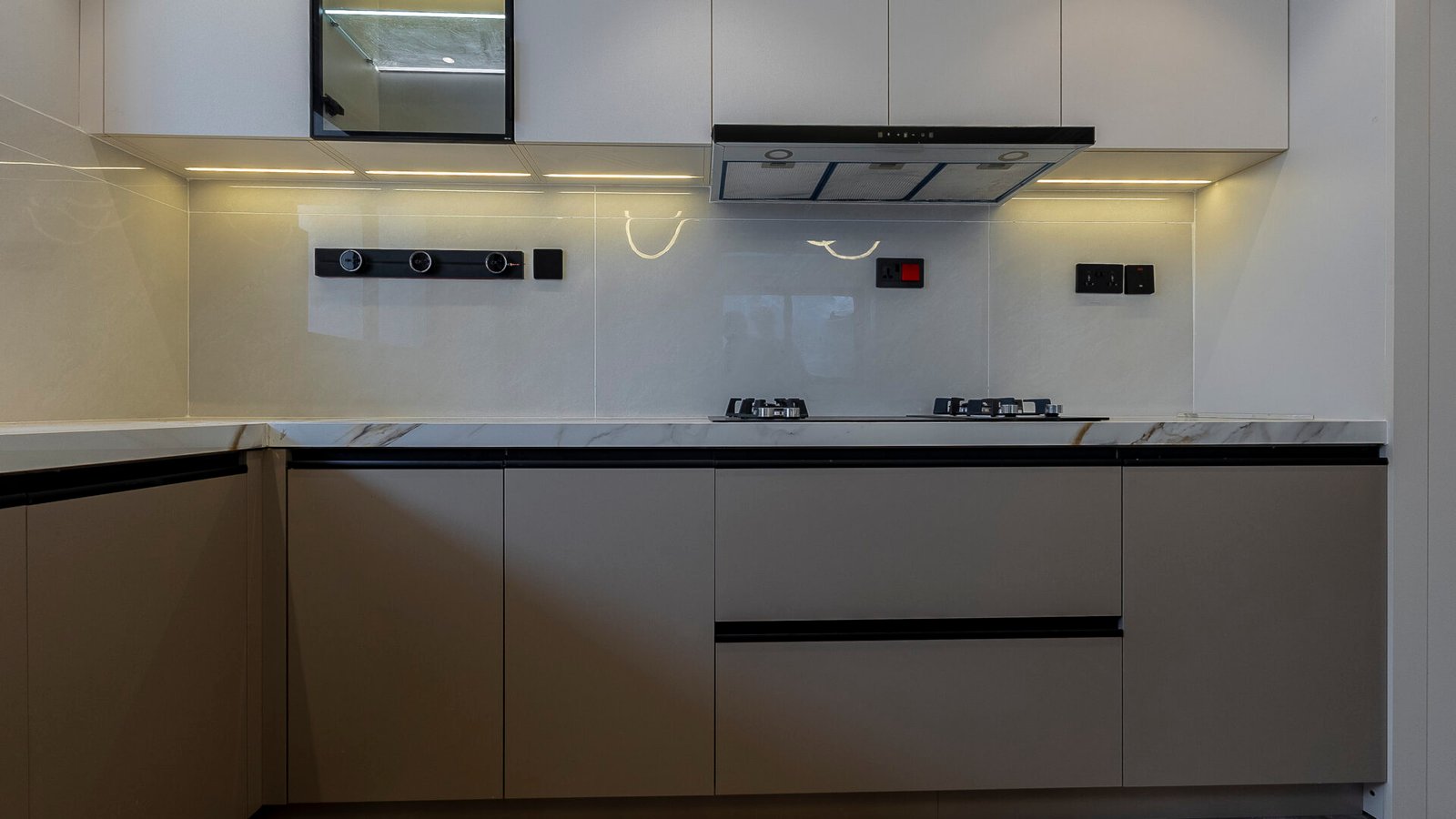
This is the kitchen your guests see. It’s open-plan, connected to the dining and living areas. It features a sleek island, pristine countertops, minimal visible appliances, and beautiful cabinetry. The Show Kitchen is designed for light preparation — salads, plating, coffee making, wine opening — and for socialising while someone else does the heavy lifting in the back.
ZBOM cabinetry is ideal here: handleless doors in matte finishes, integrated lighting, push-to-open mechanisms. Everything clean, everything flush, everything quiet.
The Dirty Kitchen
Behind a door, around a corner, or across a service corridor, the Dirty Kitchen is where real cooking happens. Heavy-duty range. Deep sink. Industrial extractor fan. Surfaces chosen for heat resistance and easy cleaning rather than aesthetics. This is where the ugali pot boils, where the nyama choma prep happens, where spices are ground and chapatis are rolled.
The Dirty Kitchen prioritises function above everything. Tile walls for easy cleaning. Stainless steel countertops that handle heat and stains. Ample storage for large pots, cooking oils, and bulk staples. Powerful ventilation to keep smoke and smells contained.
The Connection Between Them
The design challenge is the transition. The two kitchens need to be close enough for efficient movement but separated enough that the Show Kitchen remains pristine. A sliding pocket door, a short corridor, or a pass-through window can achieve this.
The best configurations place the Dirty Kitchen adjacent to the Show Kitchen with a shared wall, allowing plumbing and electrical runs to be consolidated. A pass-through counter lets finished dishes move from preparation to presentation without crossing public space.
Why This Works for Kenyan Lifestyles
Kenyan cooking is aromatic, steam-heavy, and oil-intensive. These are wonderful qualities for eating. They’re challenging qualities for a white quartz countertop and a linen sofa in an open-plan space. The dual-kitchen concept honours both realities: cook traditionally, present beautifully.
It’s not about hiding the cooking. It’s about giving each activity the space it deserves.