You survived the Mombasa Road traffic. You navigated the Westlands roundabout. Now you’re home. Does your space decompress you — or just add another layer of noise?
Nairobi is one of Africa’s most dynamic cities. It’s also one of its most stressful. The commute alone — whether it’s the Thika Superhighway crawl or the Ngong Road squeeze — can leave you arriving home already depleted. What happens next depends entirely on what your home does for you.
The Science of Neuro-Responsive Design
In 2026, “wellness design” has moved from trend to science. Research consistently shows that specific design choices — colour temperature, lighting quality, material texture, spatial proportion — directly influence cortisol levels, heart rate, and sleep quality.
This isn’t abstract. A bedroom with harsh overhead lighting and high-contrast colours keeps your nervous system in alert mode. The same bedroom with layered, warm lighting, soft-matte surfaces, and a restrained palette tells your body it’s safe to rest.
Colour as Medicine
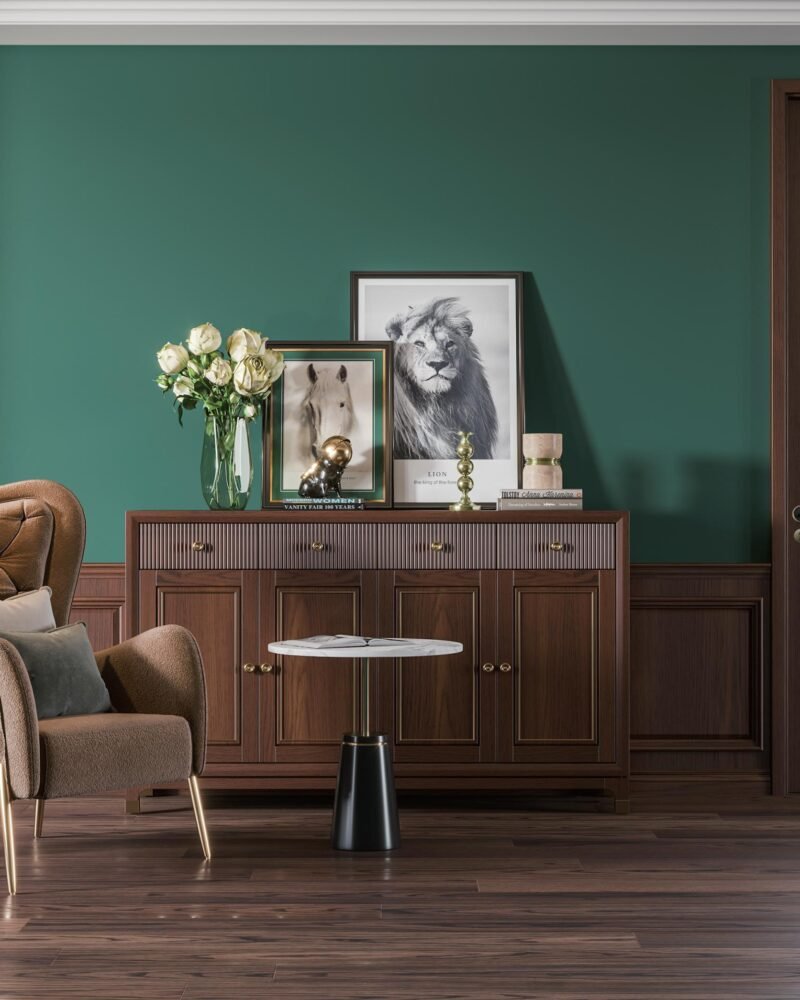
At Kayjah, we’ve developed what we call the “Spiced Blue” palette — a range of muted, warm-toned blues and deep teals that pair with charcoal, warm grey, and natural wood tones. Blue is clinically associated with lower blood pressure and reduced anxiety. But pure blue can feel cold. The “spiced” version — blue with undertones of green or grey — retains the calming effect while feeling warm and grounded.
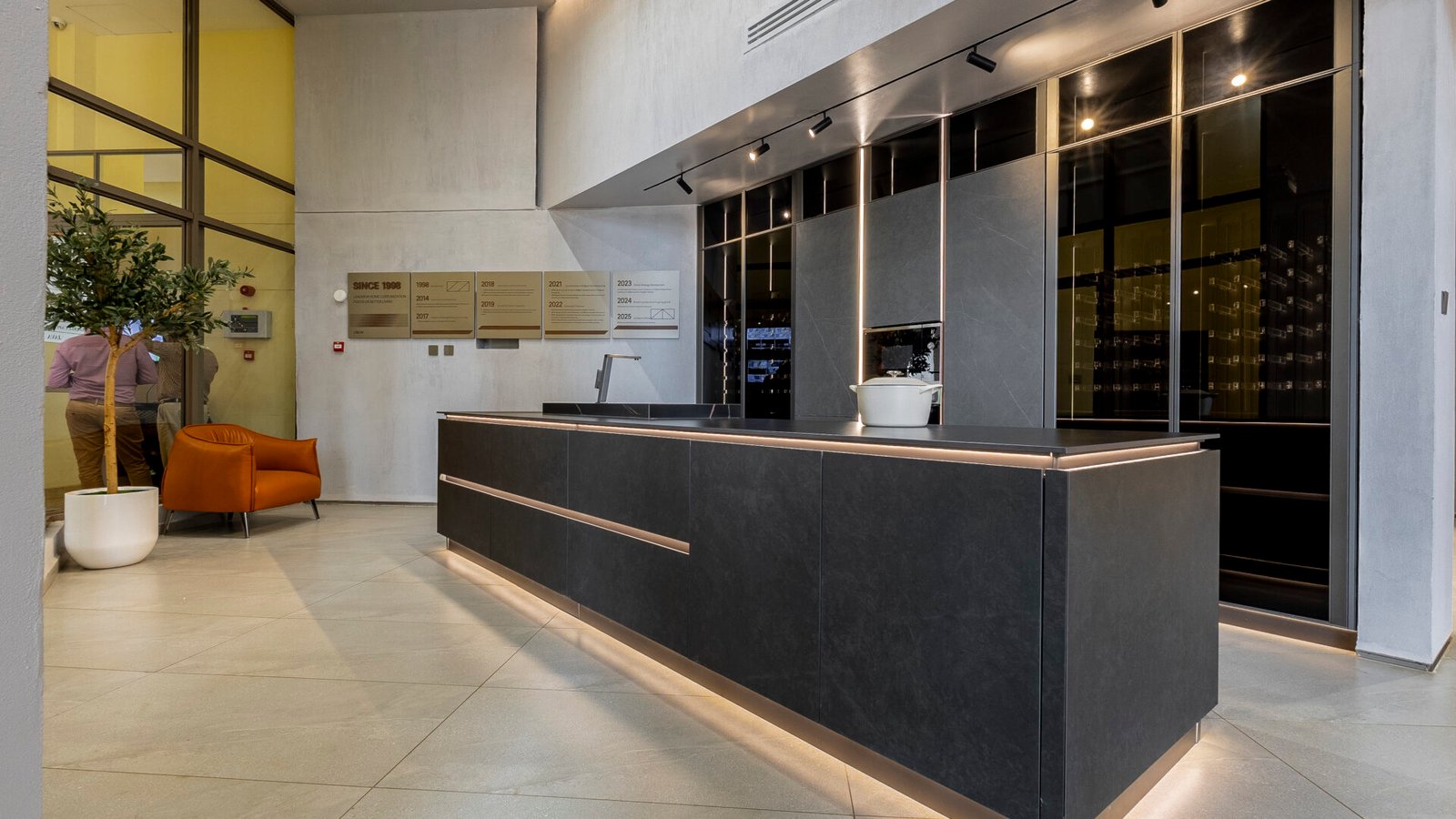
Pair it with matte black accents from ZBOM cabinetry and natural timber elements, and you have a space that’s simultaneously sophisticated and restorative.
Lighting: The Most Underrated Design Decision
Most Nairobi apartments ship with a single ceiling-mounted LED panel per room. It’s functional. It’s also terrible for wellbeing. Flat, overhead light creates no depth, no mood, and no variation throughout the day.
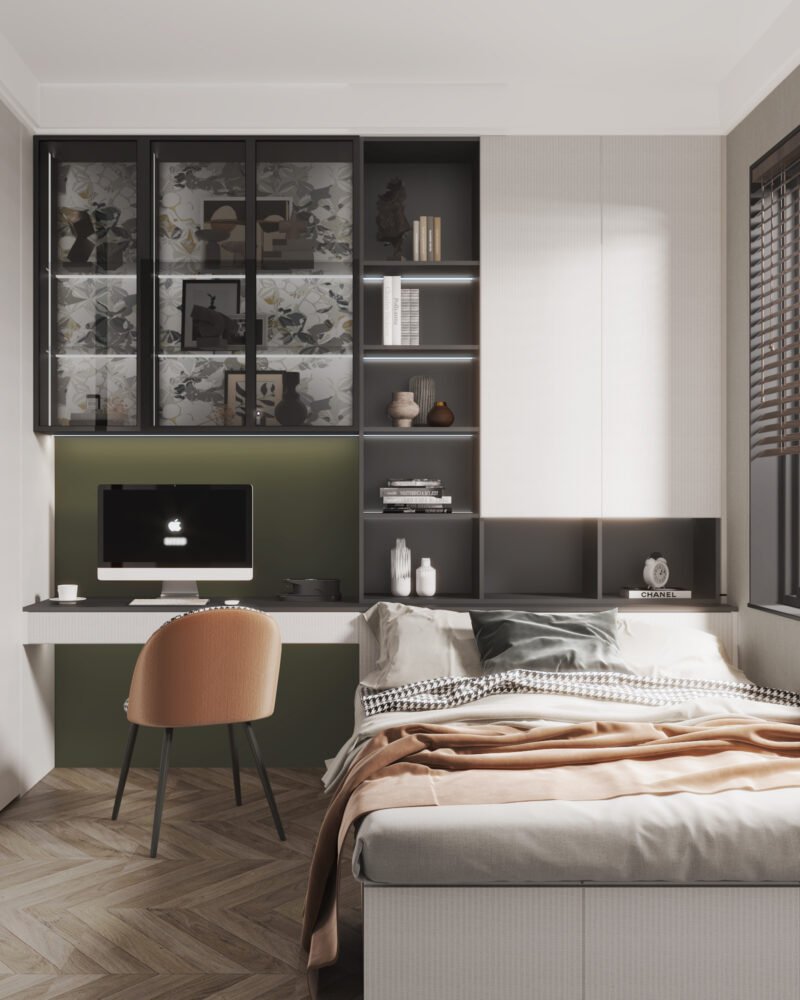
Wellness-focused design uses layered lighting: ambient (soft, indirect), task (focused, adjustable), and accent (atmospheric). A bedroom might have recessed cove lighting along the wardrobe, a reading lamp by the bed, and backlit shelving — no overhead fixture at all.
Texture and Touch
Smooth, hard surfaces — tile, glass, polished stone — reflect sound and feel institutional. Introducing texture — linen upholstery, wood-grain cabinetry, woven rugs, soft-close drawers — absorbs sound and creates a sensory environment that your body reads as calm.
This is why Kayjah projects feel different when you walk in. It’s not just what you see. It’s what you hear (quiet) and what you feel (soft, warm, grounded).
Your Home as a Recovery Space
You can’t control the Nairobi traffic. You can’t mute the construction next door. But you can design a home that actively works to undo the day’s stress. That’s not luxury — that’s necessity.