Fast furniture is fast waste. In a year where sustainability finally has teeth, here’s why investing in one piece that lasts twenty years beats buying five that last four.
Kenya imports thousands of tonnes of flat-pack and mass-produced furniture every year. Most of it is built to a price, not a standard. Particle board cores, stapled joints, plastic veneers, and adhesives that off-gas formaldehyde into your living room.
Within three to five years, most of it ends up in a skip or on the side of a Nairobi road. This is the fast furniture cycle — and it’s environmentally and financially destructive.
The Hidden Cost of Cheap
A mass-produced wardrobe at KES 35,000 seems like a bargain. But when the shelves bow under the weight of folded clothes after two years, when the doors no longer close properly, when the back panel detaches from the frame — you’re buying again. And the old one goes to landfill.
Over ten years, a homeowner who buys cheap replaces major furniture pieces two to three times. The cumulative cost often exceeds what a single bespoke piece would have cost upfront — and the environmental footprint is three times larger.
What “Bespoke” Actually Means
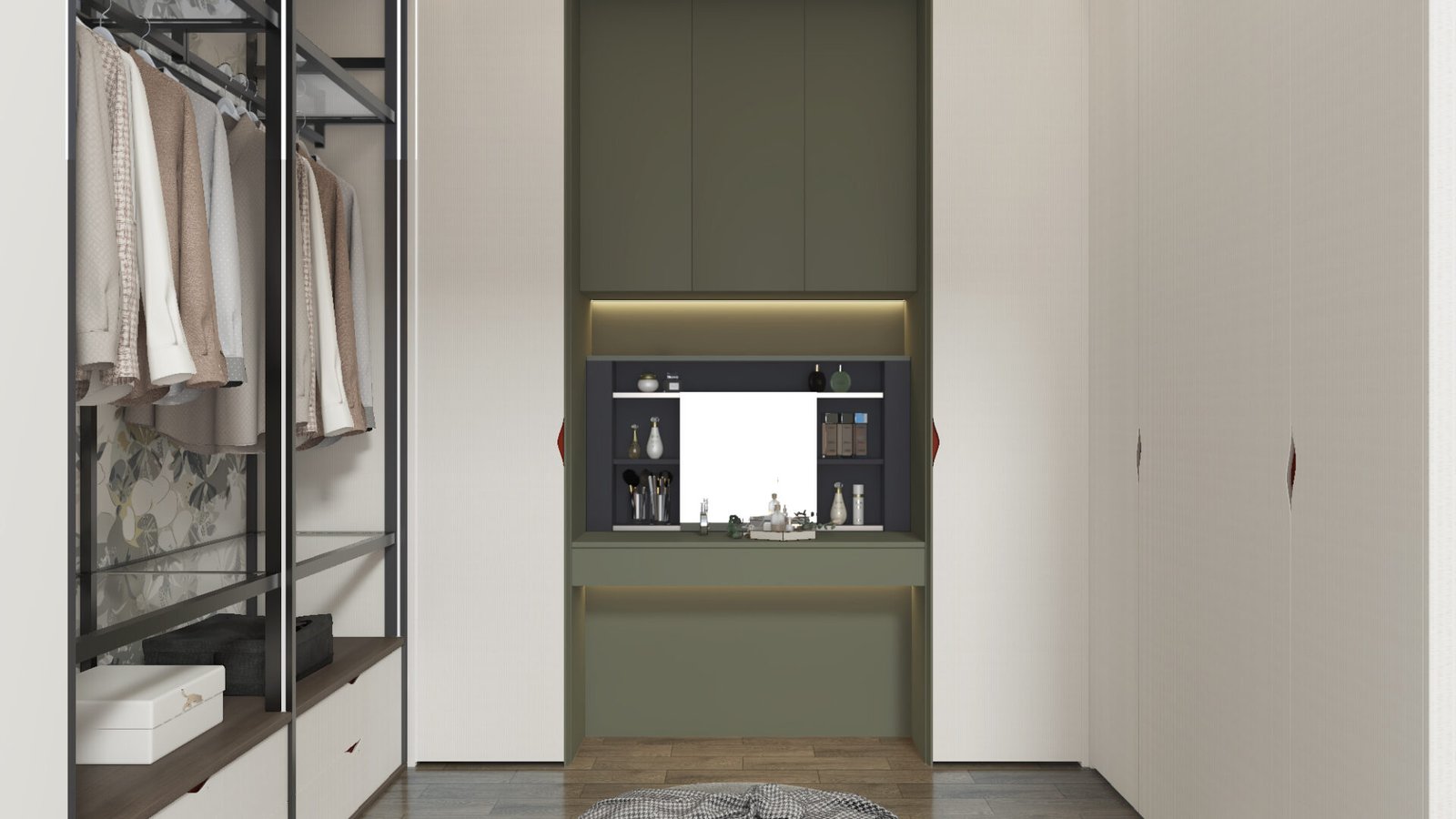
Bespoke doesn’t mean expensive for the sake of it. It means made to measure. Designed for your specific space, your specific needs, your specific use patterns. A bespoke Kayjah wardrobe is built to the exact dimensions of your bedroom wall — no gaps, no filler panels, no wasted space.
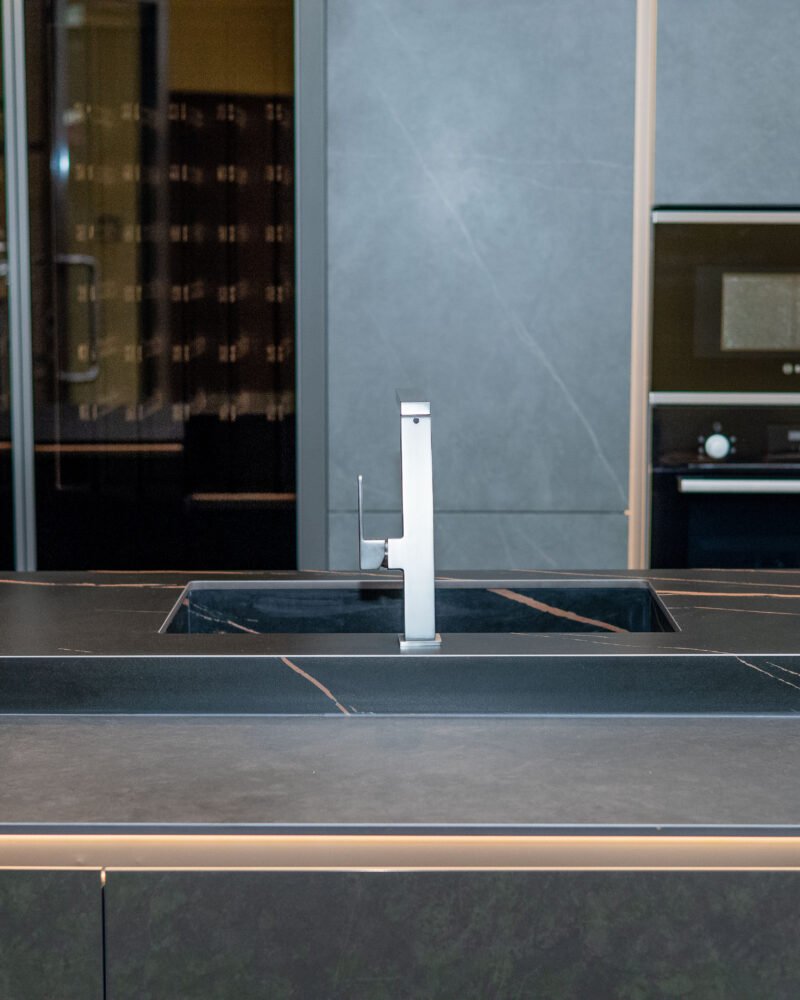
The materials are selected for longevity. ZBOM’s E1-grade engineered boards meet international standards for low formaldehyde emission — meaning they’re safer for your family and better for indoor air quality. The hardware — hinges, runners, handles — is rated for tens of thousands of cycles.
Sustainability as Durability
The most sustainable piece of furniture is the one you never replace. A Kayjah dining table built from solid timber and engineered joinery will serve your family for decades. It will age, develop patina, accumulate memories. It becomes part of your home’s story.
Compare that to a particleboard dining set that looks dated in two years and broken in four. Sustainability isn’t a label on a product — it’s a measure of how long that product stays out of a landfill.
The 2026 Shift
Kenyan consumers are waking up. The conversation around sustainability is no longer just about recycling bags and banning plastic. It’s about the furniture in your home, the cabinets in your kitchen, the wardrobe in your bedroom. Every purchase is a vote — for quality or for waste.
Choose pieces that last. Choose makers who stand behind their work. Choose soul over speed.